Tipsa dina vänner om produkten:
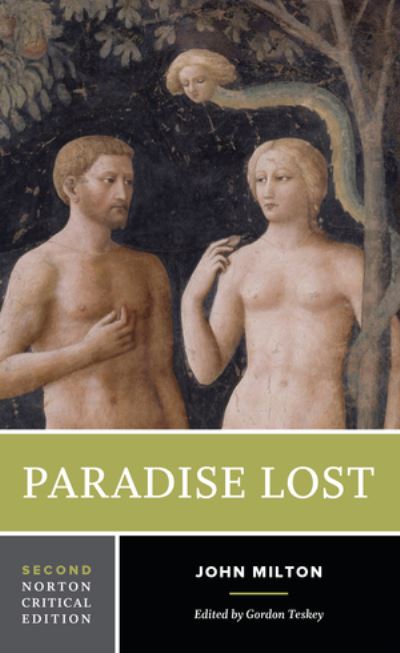
Paradise Lost John Milton
 Julklappar kan bytas fram till 31:e januari



Finns även som:
- Pocketbok (2003) SEK 129
- Pocketbok (2015) SEK 139
- Pocketbok (2027) SEK 159
- Pocketbok (2018) SEK 159
- Pocketbok (2008) SEK 169
- Pocketbok (2011) SEK 169
- Pocketbok (2016) SEK 189
- Pocketbok (2017) SEK 189
- Inbunden Bok (2016) SEK 189
- Pocketbok (2011) SEK 199
- Pocketbok (2023) SEK 199
- Pocketbok (2012) SEK 209
- Pocketbok (2017) SEK 239
- Pocketbok (2023) SEK 239
- Pocketbok (2006) SEK 249
- Pocketbok (2016) SEK 279
- Pocketbok (2019) SEK 279
- Bok (2022) SEK 289
- Bok (2022) SEK 289
- Bok (2022) SEK 289
- Bok (2023) SEK 309
- Pocketbok (2017) SEK 309
- Pocketbok (2019) SEK 319
- Pocketbok (2018) SEK 329
- Pocketbok (2010) SEK 329
Paradise Lost
John Milton
About the Series "Milton's Notable Works" Volume 1. Paradise Lost: A Poem in Twelve Books (Illustrated) / Paradise Regained. Illustrations by Gustave Doré (49 plates) Included biographical notes about John Milton [From A Short Biographical Dictionary of English Literature by John W. Cousin, 1910] and Gustave Doré. Volume 2. Samson Agonistes / Milton by Mark Pattison. Paradise Lost is an epic poem in blank verse by the 17th-century English poet John Milton (1608-1674). The first version, published in 1667, consisted of ten books with over ten thousand lines of verse. A second edition followed in 1674, arranged into twelve books (in the manner of Virgil's Aeneid) with minor revisions throughout and a note on the versification It is considered by critics to be Milton's major work, and it helped solidify his reputation as one of the greatest English poets of his time. The poem concerns the biblical story of the Fall of Man: the temptation of Adam and Eve by the fallen angel Satan and their expulsion from the Garden of Eden. Milton's purpose, stated in Book I, is to "justify the ways of God to men."Paradise Regained is a poem, first published in 1671. The volume in which it appeared also contained the poet's closet drama Samson Agonistes. Paradise Regained is connected by name to his earlier and more famous epic poem Paradise Lost, with which it shares similar theological themes; indeed, its title, its use of blank verse, and its progression through Christian history recall the earlier work. However, this effort deals primarily with the temptation of Christ as recounted in the Gospel of Luke. Whereas Paradise Lost is ornate in style and decorative in its verse, Paradise Regained is carried out in a fairly plain style. Specifically, Milton reduces his use of simile and deploys a simpler syntax in Paradise Regained than he does in Paradise Lost, and this is consistent with Jesus's sublime plainness in his life and teachings (in the epic, he prefers Hebrew psalms to Greek poetry). Modern editors believe the stylistics of Paradise Regained evince Milton's poetic maturity. No longer is the poet out to dazzle his readers with bombastic verse and lengthy epic similes. This is not to say that the poem bears no affinities with Milton's earlier work, but scholars continue to agree with Northrop Frye's suggestion that Paradise Regained is "practically sui generis" in its poetic execution.[
| Media | Böcker Pocketbok (Bok med mjukt omslag och limmad rygg) |
| Releasedatum | 20 mars 2019 |
| ISBN13 | 9781090949141 |
| Antal sidor | 610 |
| Mått | 152 × 229 × 31 mm · 802 g |
| Språk | Engelska |